Murivenna is a traditional medicated oil from Kerala. It is used on bruises, sprains, swelling and other injuries, and it is often used in bandaging. The name is usually explained as "muri" (wound or injury) and "enna" (oil) in Malayalam.
In Kalaripayattu, oil is part of daily life. Students are massaged with oil, and teachers use oil to treat injuries and to bandage joints after bone setting. This article explains what murivenna is used for, why oils matter in Kalari, and how to use Kalari oils safely at home.
What is murivenna?
Murivenna is a classical Kerala preparation. Like most medicated oils, it is made by cooking herbs and plant juices slowly in a base oil. Recipes vary between makers, so check the label of the bottle you buy.
It is used on the outside of the body only. It is not taken by mouth.
Common uses of murivenna oil
Murivenna is traditionally used for:
- bruises and swelling after a fall or a knock
- sprains and strains of muscles and ligaments
- pain and stiffness in a joint after an injury
- bandaging during recovery from fractures and dislocations, under the care of a trained practitioner
It is used to help ease pain and swelling and to support healing. It is not a replacement for medical care for a serious injury.
Murivenna in bandaging (Kettu Chikitsa)
Kettu Chikitsa is the Kalari way of bone setting and bandaging. After a joint is set or an injury is examined, cloth is soaked in oil such as murivenna and wrapped around the area. The bandage is changed daily.
At Athma Kalari, Ashan Vipin Das decides whether bandaging is needed. He has 29 years of Kalari practice and is the 8th generation of his Kalari family. He first asks about your history, examines the injury and reads your pulse. Nothing is prescribed before this. Medicinal bandaging is also one of the treatments taught in the Advanced Teacher Training.
Why oils matter in Kalari
Daily Uzhichil
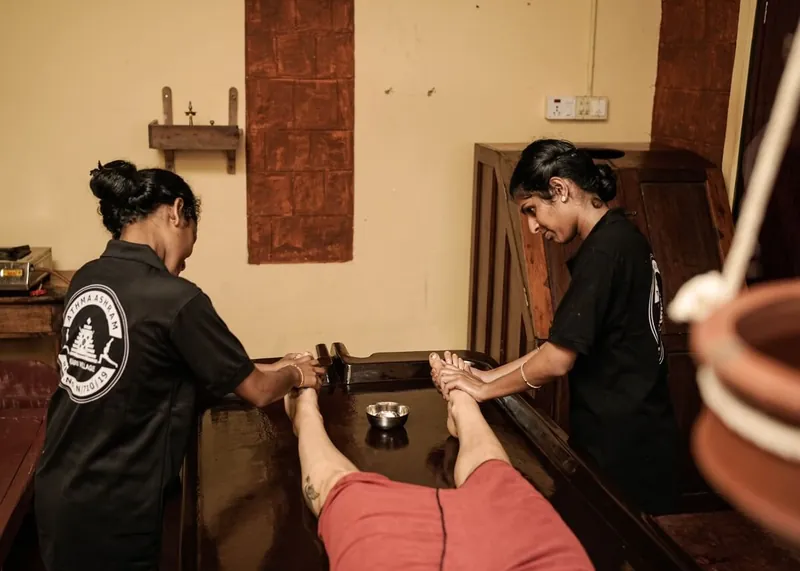
Uzhichil is the Kalari oil massage. It is given over the muscles and the marma (vital) points, with the palms or the feet. Kalari students receive it to keep the body supple and to recover from hard training. Read more in our guide to Kalari massage in Kerala.
Before practice
Traditionally, students rub oil over the body before training. Tradition holds that this keeps the muscles warm and supple for deep stances and high kicks. Our article on Uzhichil as preparation before training explains this in more detail.
Healing and bone setting
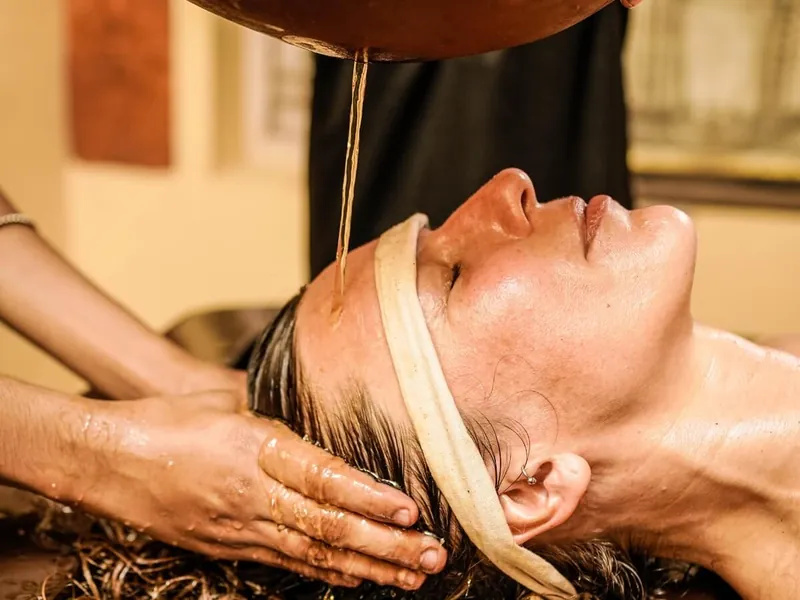
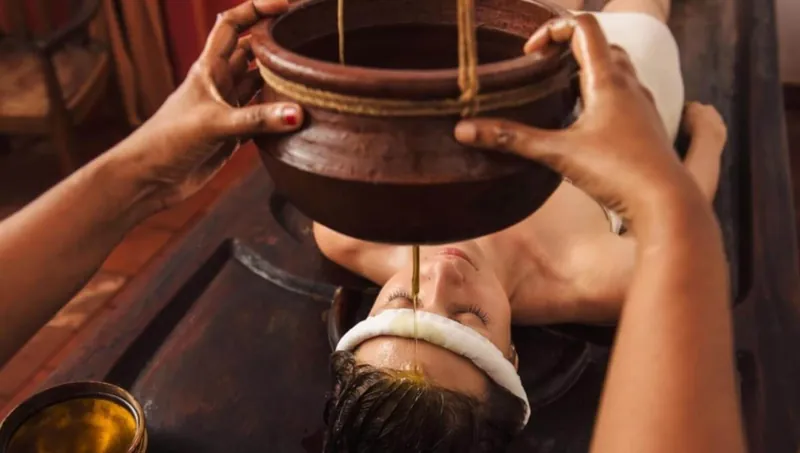
Oils are at the heart of Kalari Chikitsa, the healing side of the art. They are used in massage, in Kizhi (heated herbal bundles), in Dhara (a stream of warm oil) and in Kettu Chikitsa. Our guide to Kalari Chikitsa explains all 12 therapies.
Kalari oil and Kalari massage oil
"Kalari oil" is not one fixed recipe. Tradition holds that many Kalari families keep their own oils, each for a different use: massage, injury, or the head and scalp.
The main difference is how the oil is used:
- A massage oil is used over the whole body, often every day.
- An injury oil such as murivenna is used on one area, for a set time, often under a bandage.
Using a massage oil on a fresh injury, or an injury oil all over the body every day, is not what each was made for. If you are unsure, ask.
Athma Kalari's own oils
The gurukulam shop offers 2 oils for the body:
- Marma Herbal Massage Oil: a herbal oil for body massage, the kind of oiling that is part of Kalari life.
- Durvadi Thailam: an oil for the skin and scalp.
Neither of these is murivenna, and they are not injury oils. If you have an injury, ask at a consultation which oil and which treatment suit it.
How to use Kalari oils safely
- Patch test first. Put a little oil on the inside of your forearm and wait 24 hours. If you see redness, itching or a rash, do not use it.
- Warm the oil. Stand the bottle in a bowl of warm water for a few minutes. The oil should feel warm, not hot. Do not heat it directly over a flame.
- Apply gently. Rub it in with light strokes. Do not press hard on a fresh injury.
- Keep it off open wounds. Do not use oil on cuts, broken skin, burns or rashes.
- Wash later with warm water. Leave the oil on for a while, then wash it off with warm water.
- Protect clothes and floors. Medicated oil stains and does not wash out easily. Oily floors are slippery.
- Use it on the outside only. Keep it away from the eyes, and store it out of reach of children.
When to see a doctor first
Oil is not the first step for a serious injury. Go to a doctor or hospital first if you have:
- a possible fracture, or a joint that looks out of shape
- severe or sudden pain, or heavy swelling
- numbness in an arm, leg, hand or foot
- an injury you cannot put weight on
- a head injury, or bleeding that does not stop
- fever with pain or swelling
Also ask a doctor before using medicated oils if you are pregnant or have had recent surgery. Kalari Chikitsa is not a replacement for emergency or surgical medicine. It can help with recovery once a doctor has checked you.
FAQs
Q: What is murivenna oil used for?
A: It is a traditional Kerala oil used for bruises, sprains, swelling and pain after injury. It is also used in bandaging during recovery.
Q: Can I put murivenna on an open wound?
A: Do not use it on open wounds or broken skin at home. See a doctor for a wound.
Q: Does Athma Kalari sell murivenna?
A: No. Our shop offers Marma Herbal Massage Oil and Durvadi Thailam.
Q: Is Kalari oil the same as murivenna?
A: Not always. Kalari oil can mean a massage oil, an injury oil or a scalp oil. Murivenna is an injury oil.
Q: Should I warm the oil before use?
A: Yes. Warm the bottle in warm water. The oil should feel warm, not hot.
Help with an injury or pain
If pain or stiffness stays after an injury has been checked by a doctor, Kalari treatment may help. See our Kalari treatments page to find the right treatment and how the consultation works.