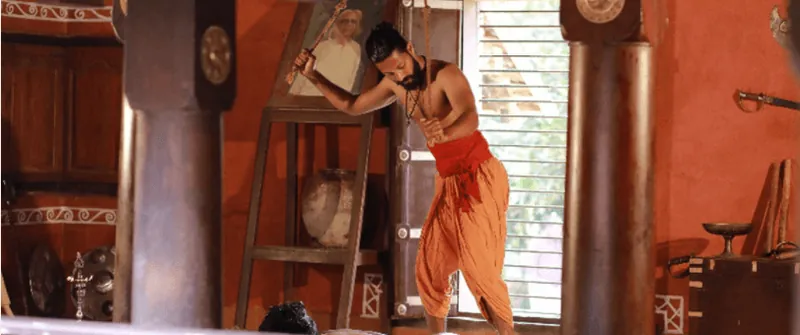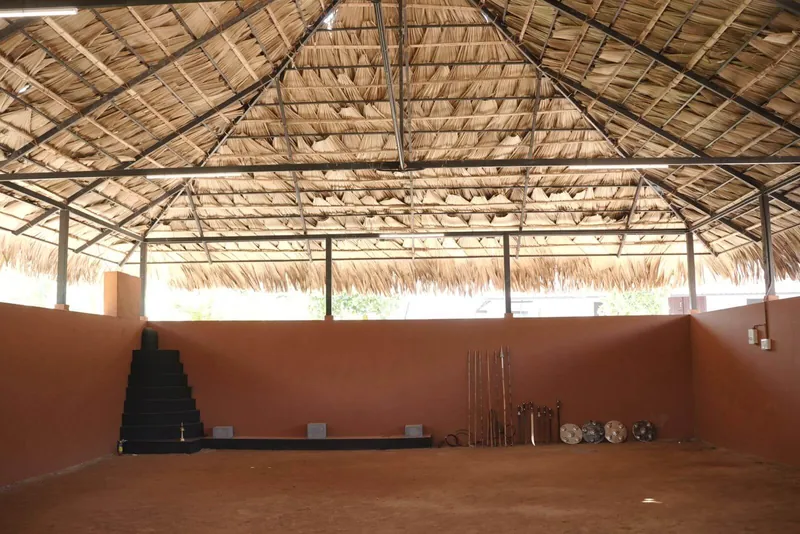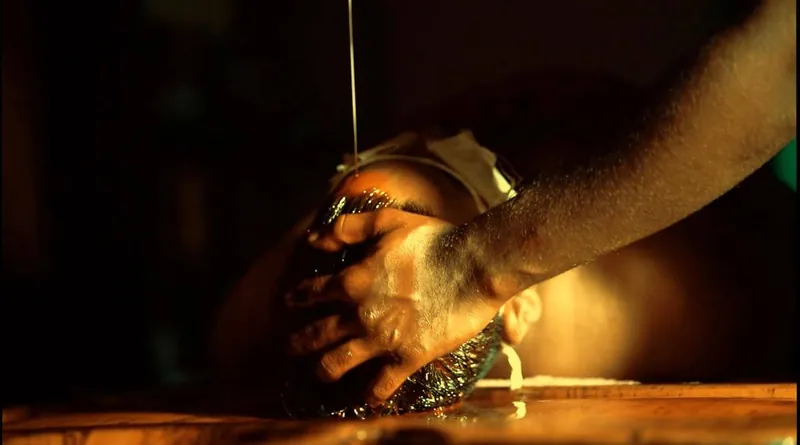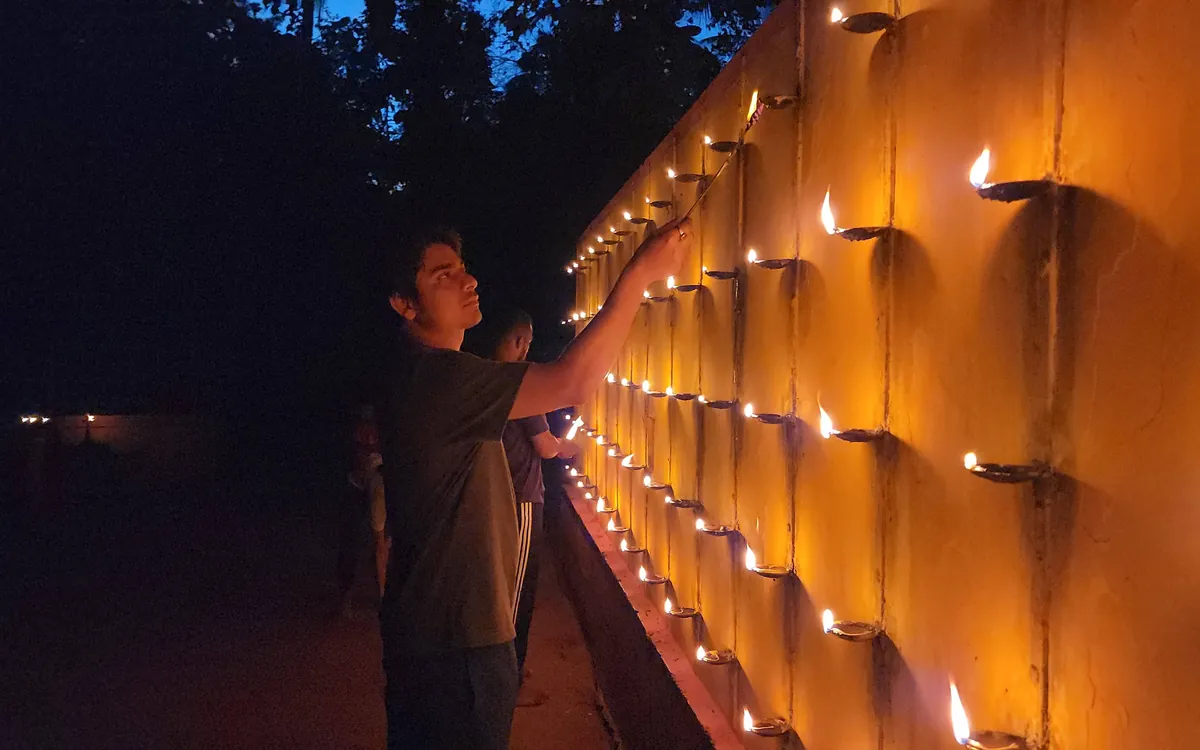
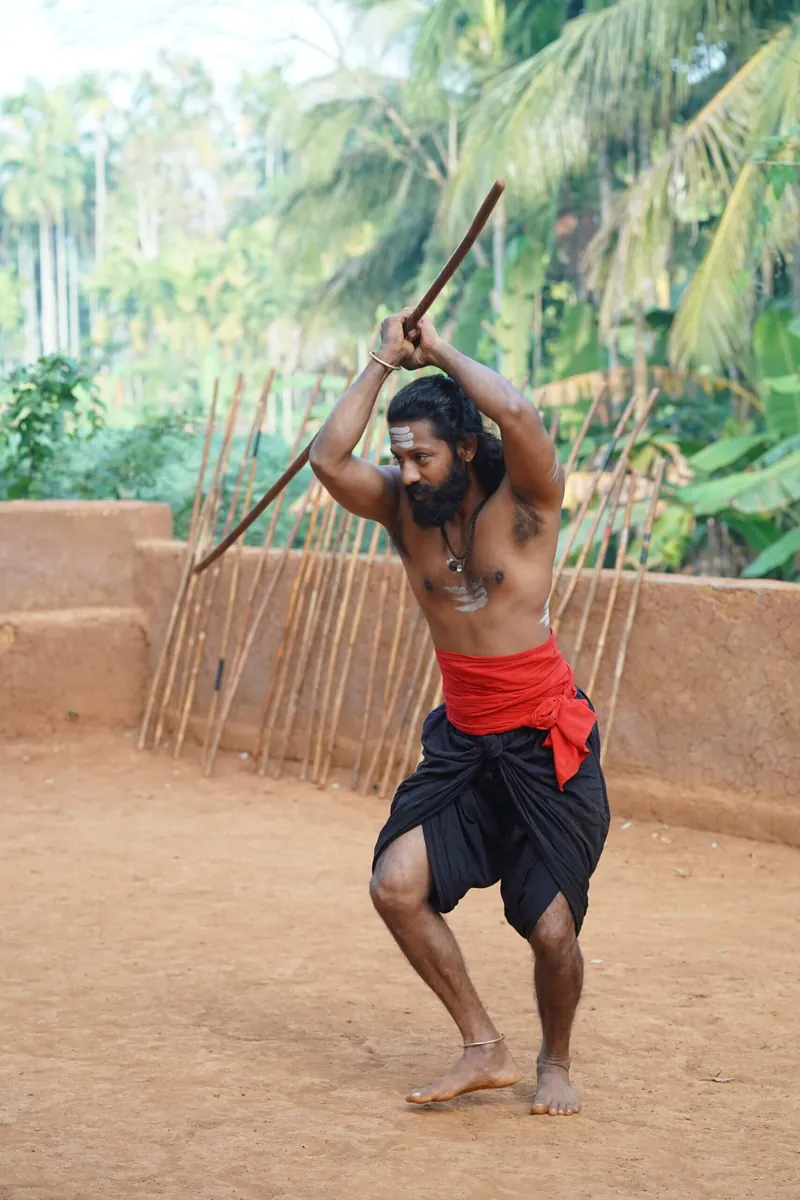
Kalaripayattu is often celebrated as of the oldest martial arts traditions in human history. Originating in the southern land of Kerala, Bharat (India), this sacred discipline is not merely a combat system, but a complete way of life that combines physical strength, mental discipline, spiritual awareness, healing science, and warrior ethics.
a traditional lineage-based understanding of Kalaripayattu, tracing its roots through ancient sages, divine knowledge, and warrior traditions. While many aspects belong to mythology, oral traditions, and spiritual beliefs passed through generations, they continue to inspire practitioners and preserve the cultural identity of this timeless art.
The Divine Origin of Kalaripayattu
According to traditional belief, the knowledge of warfare and combat originated from Lord Shiva, the supreme yogi and master of cosmic energy. Shiva is believed to have revealed the science of Dhanurveda — the ancient Vedic knowledge of warfare, weapons, and combat techniques.
Dhanurveda is considered a branch of the Vedas that teaches: Armed combat, Unarmed combat,Battle strategy, Weapon mastery,Physical conditioning,Mental focus and discipline
Sage Agastya and Southern Martial Traditions
Sage Agastya (Agastya Muni), one of the most respected sages in Indian tradition. Agastya is believed to have carried Vedic wisdom to South India and played a major role in preserving martial knowledge.
Many traditions associate Agastya with: Varma and Marma knowledge,Healing systems, Breathing techniques,Yogic practices, Unarmed combat systems
In several South Indian martial traditions, Agastya is honored as an important spiritual source of combat knowledge and body science.
Parashu Rama – The Warrior Sage
The lineage also connects Kalaripayattu to Bhargava Rama, better known as Lord Parashurama, the warrior incarnation of Vishnu.
According to legend, Parashurama:
Mastered warfare and weapons,Reclaimed the land of Kerala from the sea, Established temples and warrior schools, Spread martial knowledge among disciples
Traditional stories say that Parashurama established 108 Kalari schools and trained 21 disciples who carried the art across different regions.
These stories form an important part of Kerala’s martial heritage and are deeply respected within Kalari traditions.
Athma Kalari is a traditional Gurukulam in Kerala offering Kalaripayattu training and Kalari Chikitsa, guiding individuals on a path of discipline, healing, and inner transformation.
Contact Details
EMail: info.athmakalari@gmail.com
Ph 1: +91 7025255518
Ph 2: +91 9995255518
Address:
Athma Kalari Village,
Chemmalasseri, Pulamanthole,
Kerala – 679323