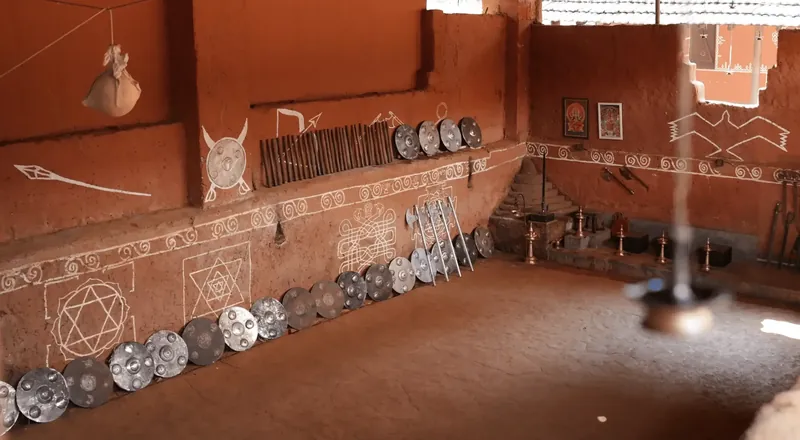
In the lush, green landscapes of Kerala, where tradition breathes through every art form, Parambarya Kalari stands as a powerful symbol of heritage, discipline, and holistic living. More than just a martial art, it is a centuries-old practice passed down through generations, preserving not only combat techniques but also a deep-rooted philosophy of balance between body, mind, and spirit.
The Meaning of “Parambarya”
The word “parambarya” translates to tradition or lineage. In the context of Kalaripayattu, it refers to the authentic, hereditary transmission of knowledge from master (Gurukkal) to student (Shishya). Unlike modern training systems, Parambarya Kalari emphasizes continuity—where each movement, ritual, and teaching carries the imprint of generations before.
The Sacred Space: Kalari
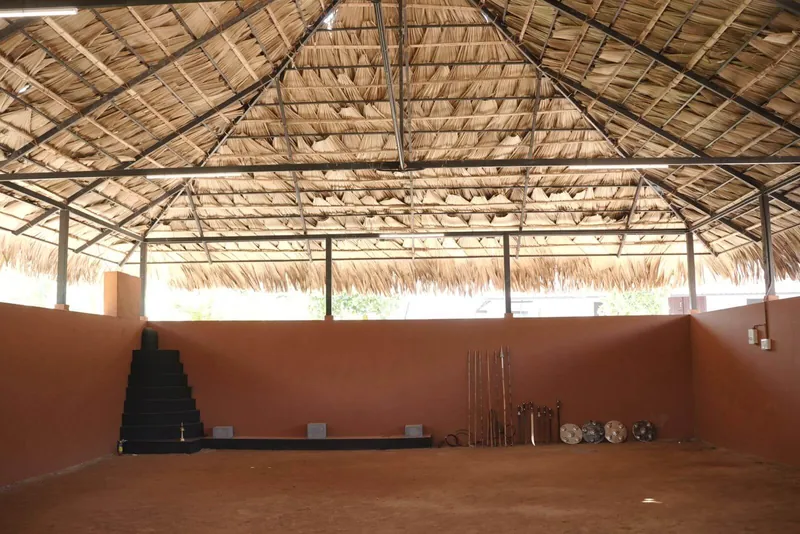
Training takes place in a Kalari, a specially designed arena, often built slightly below ground level. This space is not just a training hall but a spiritual environment. Students begin by paying respect to the earth, their teacher, and the divine, reinforcing humility and discipline from the very first step.
The Journey of Training
The learning process in Parambarya Kalari is systematic and deeply immersive:
- Meipayattu (Body Training):
Students develop flexibility, strength, and control through animal-inspired movements and sequences. - Kolthari (Wooden Weapons):
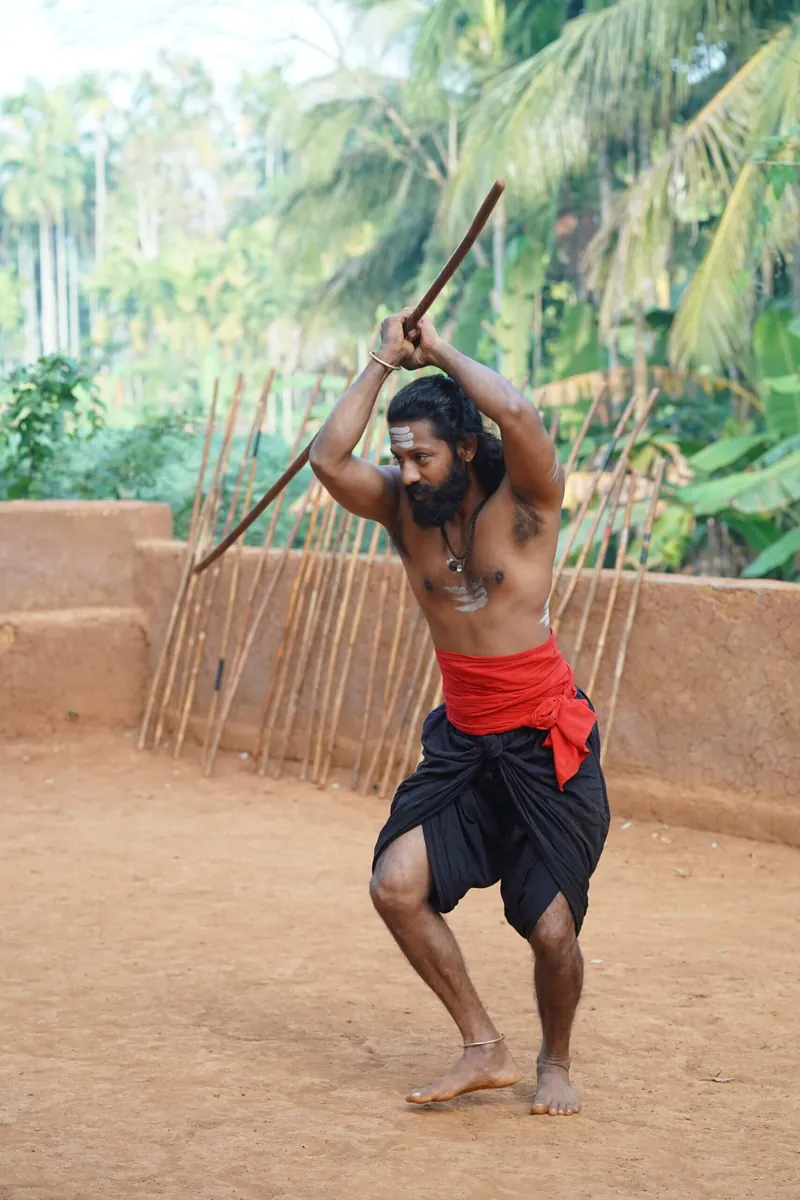
Training progresses to wooden weapons like sticks and staffs, building coordination and timing. - Ankathari (Metal Weapons):
Advanced practitioners learn to handle swords, shields, and spears with precision and respect. - Verumkai (Bare-Hand Combat):
The final stage focuses on unarmed techniques, including locks, strikes, and grappling methods.
Beyond Combat: A Holistic System
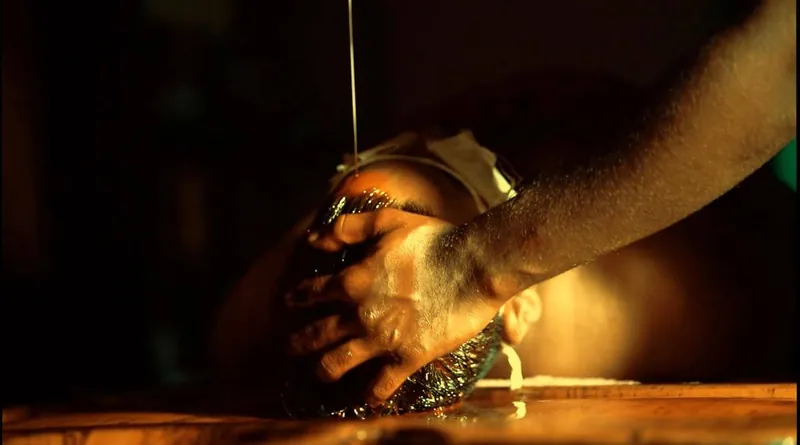
What sets Parambarya Kalari apart is its integration of healing and martial science. Practitioners study Marma (vital points of the body), which are used both in combat and in traditional treatments. Kalari also includes therapeutic massages and herbal medicine, making it a complete wellness system.
At the heart of this tradition is the Gurukkal, the master who embodies knowledge, discipline, and wisdom. The relationship between teacher and student goes beyond instruction—it is built on trust, respect, and lifelong learning.
In today’s fast-paced life, Parambarya Kalari offers something rare: a return to rootedness. It teaches patience in a world of instant results, discipline in an age of distraction, and harmony in times of stress. Many people now turn to Kalari not only for self-defense but also for fitness, mental clarity, and cultural connection.
Despite modernization, dedicated families and institutions continue to safeguard this art form. Their efforts ensure that Parambarya Kalari remains not just a relic of the past, but a living, evolving tradition.
Conclusion
Parambarya Kalari is not merely about mastering techniques—it is about embracing a way of life. It is a journey that transforms the practitioner from within, instilling strength, awareness, and respect for tradition. As long as it continues to be practiced with sincerity and devotion, this ancient art will remain a timeless treasure of Kerala’s cultural heritage.
Athma Kalari is a traditional Gurukulam in Kerala offering Kalaripayattu training and Kalari Chikitsa, guiding individuals on a path of discipline, healing, and inner transformation.
Contact Details
EMail: info.athmakalari@gmail.com
Ph 1: +91 7025255518
Ph 2: +91 9995255518
Address:
Athma Kalari Village,
Chemmalasseri, Pulamanthole,
Kerala – 679323